Executive Summary
DarkMatter Market operates as an advanced hidden service on the Tor network, utilizing specialized routing protocols to maintain server anonymity. Established by a pseudonymous development group, the platform was engineered to facilitate the exchange of digital goods, software, and localized data sets within a heavily encrypted environment.
Unlike standard web applications, the platform requires specific cryptographic verifications to ensure interactions remain secure and uncompromised. Observers note that its architecture is highly influenced by the necessity of operational security, prioritizing anonymity over accessibility.
Historical Timeline
Inception
Initial Infrastructure Deployment
The foundational code was finalized, launching as a minimalist text-based interface. The primary objective during this phase was testing the load-balancing mechanisms across decentralized nodes.
Cryptographic Upgrade
Mandatory PGP & Monero Integration
To mitigate blockchain analysis, the administrators eliminated less private cryptographic currencies entirely. All monetary interactions were shifted exclusively to Monero (XMR), while 4096-bit PGP was mandated for all internal communication.
Mitigation Layer
Advanced Anti-DDoS Architecture
In response to network-wide denial-of-service attacks, a robust rotational mirror system was implemented. This includes cryptographic captchas and proof-of-work calculations required prior to session establishment.
Technical Architecture
Multi-Signature Escrow
Transfers require 2-of-3 signatures (User, Merchant, Moderator), ensuring funds remain cryptographically locked until predetermined conditions are met.
Walletless Mode
Direct transfer capabilities eliminate the need for centralized platform wallets. Funds are sent continuously from originating wallets to destination addresses per order.
PGP Encrypted Comm
All metadata, addresses, and chat logs are auto-encrypted using independent public keys. The platform servers are designed to be unable to read communications.
Platform Interface Previews
Historical captures of the interface to document web design standards and operational mechanics within the network.

Fig 1. DDoS Protection Screen Analysis
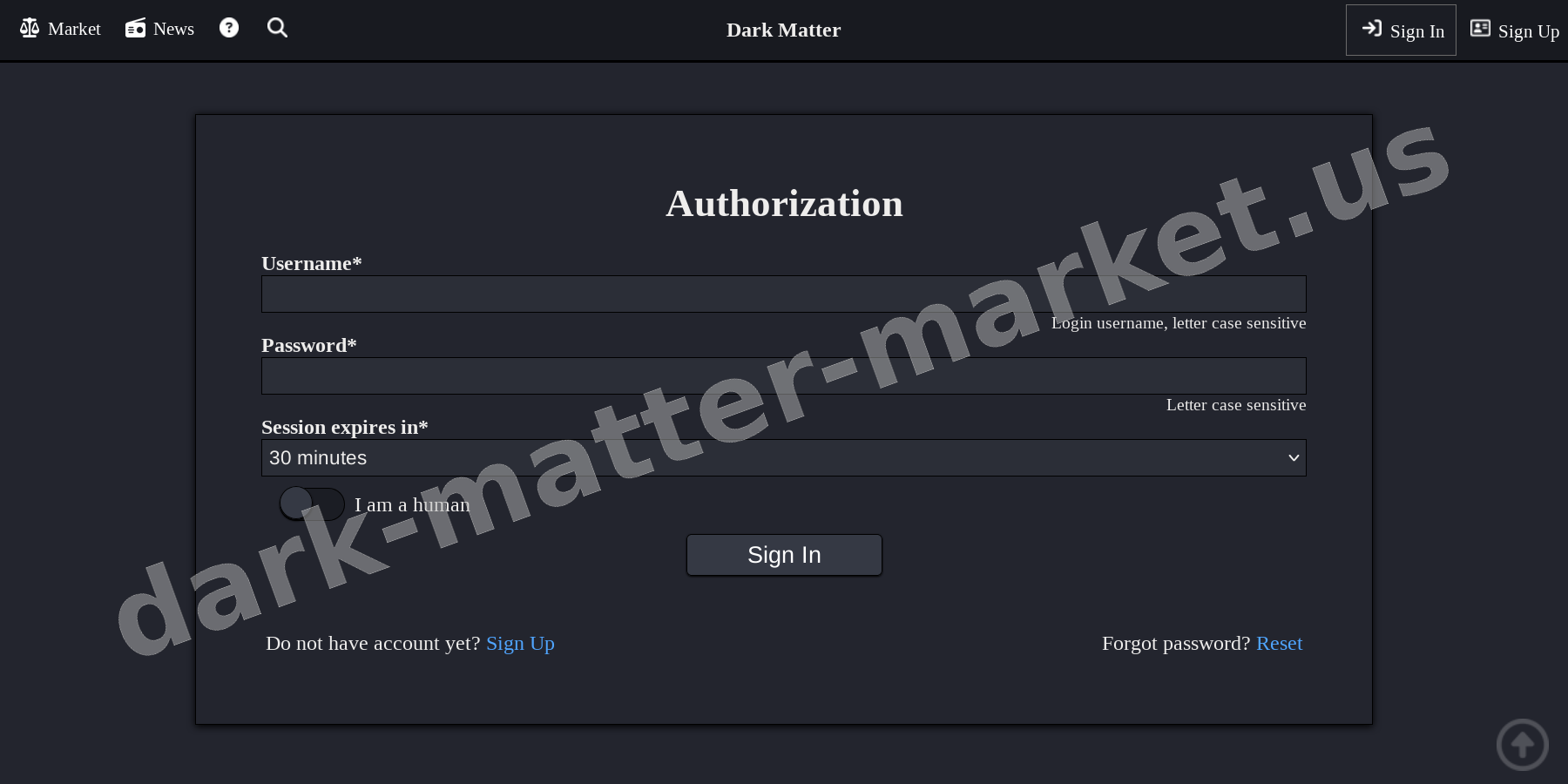
Fig 2. Encrypted User Login Interface
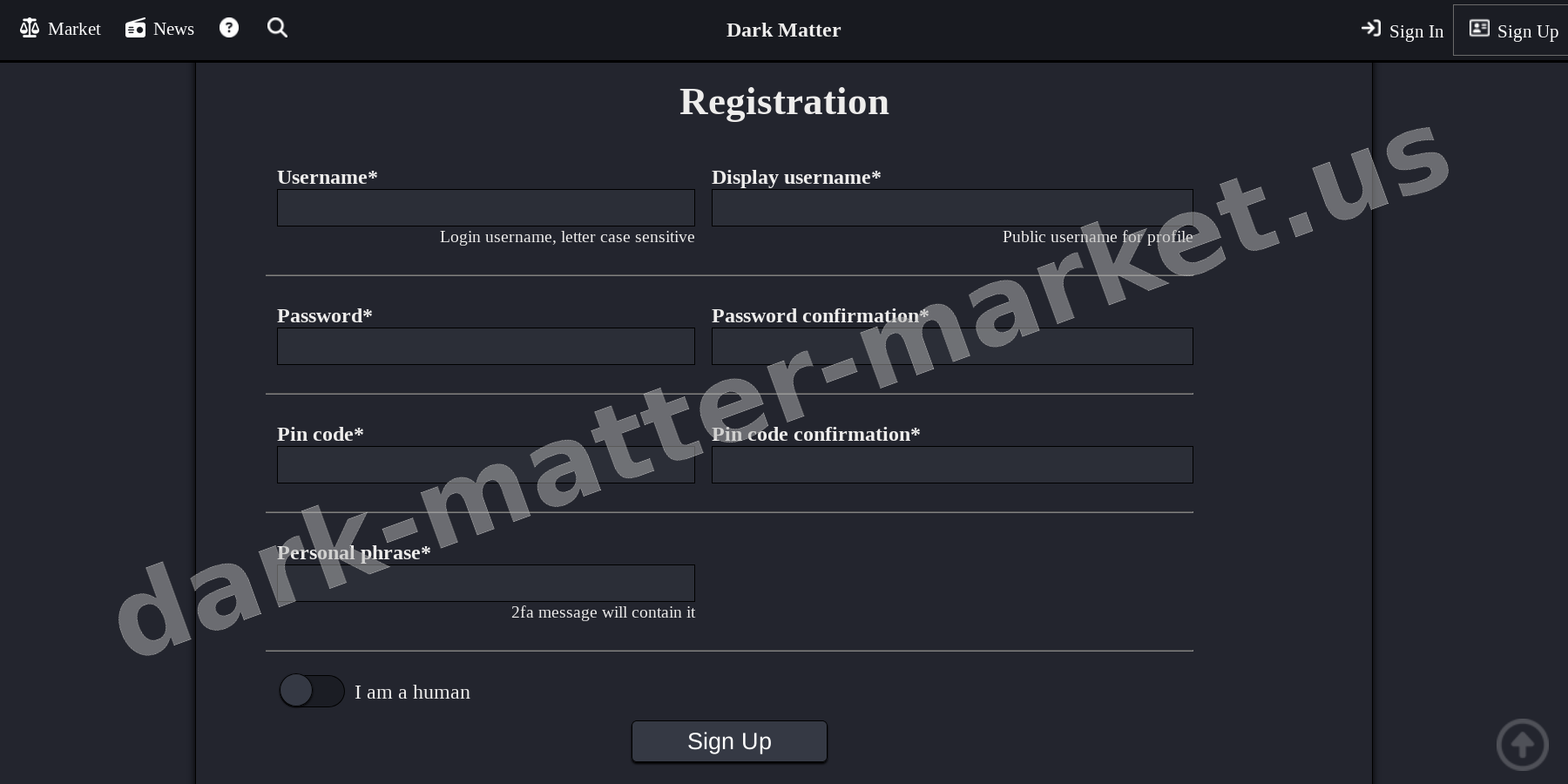
Fig 3. Account Registration Parameters
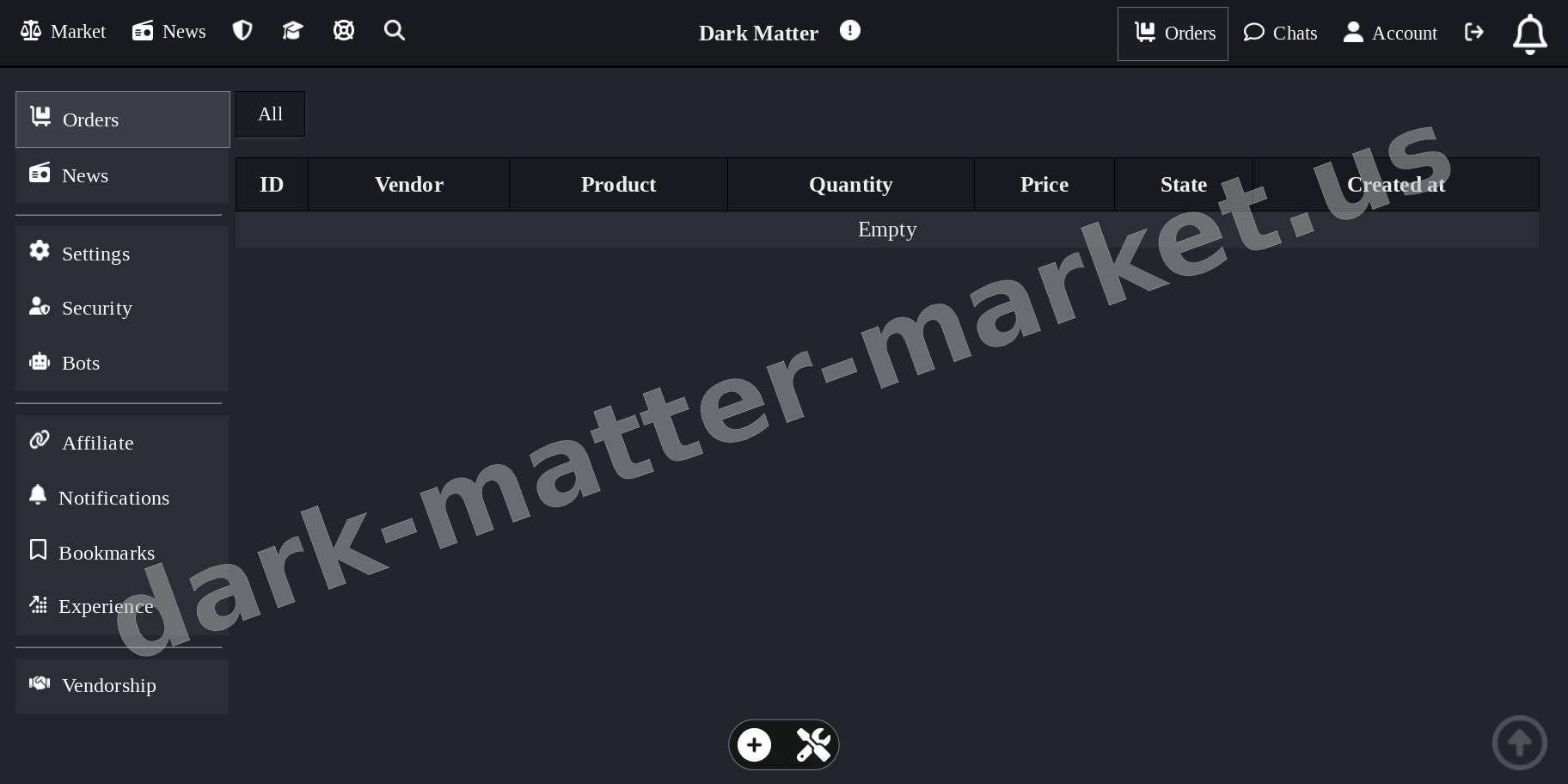
Fig 4. Main Market Dashboard Architecture
Community & Statistics
Quantitative analysis of the platform demonstrates steady operational growth. The strict functional requirements serve as a filter, resulting in a technically proficient user base.